Master in Operations Research Engineering
Design the systems that run modern industry
What if you could optimize an entire factory instead of just designing a single component? What if you could orchestrate fleets of autonomous vehicles, redesign supply chains for major companies, or use AI to make production systems smarter and more sustainable?
The Master in Operations Research Engineering trains you to be the engineer who integrates it all—combining mechanics, electronics, computer science, and data science to build intelligent industrial systems.
Program at a Glance
Duration
2 years (120 credits)
Majors
Manufacturing & Supply Chain Engineering
Transport & Mobility Engineering
Starting backgrounds
Any Bachelor in Engineering
Master (MSc) in Engineering Technology (with bridging program)
Language
English
Official program sheets
Manufacturing and Supply Chain Engineering
Transport and Mobility Engineering
What Makes This Program Unique?
You Learn Integration, Not Just Specialization
While traditional engineering programs go deep into specific domains (software, mechanics, electronics), this master teaches you how to bring these domains together. You learn to:
- Coordinate complex systems rather than individual components
- Apply optimization algorithms and AI to real production and logistics challenges
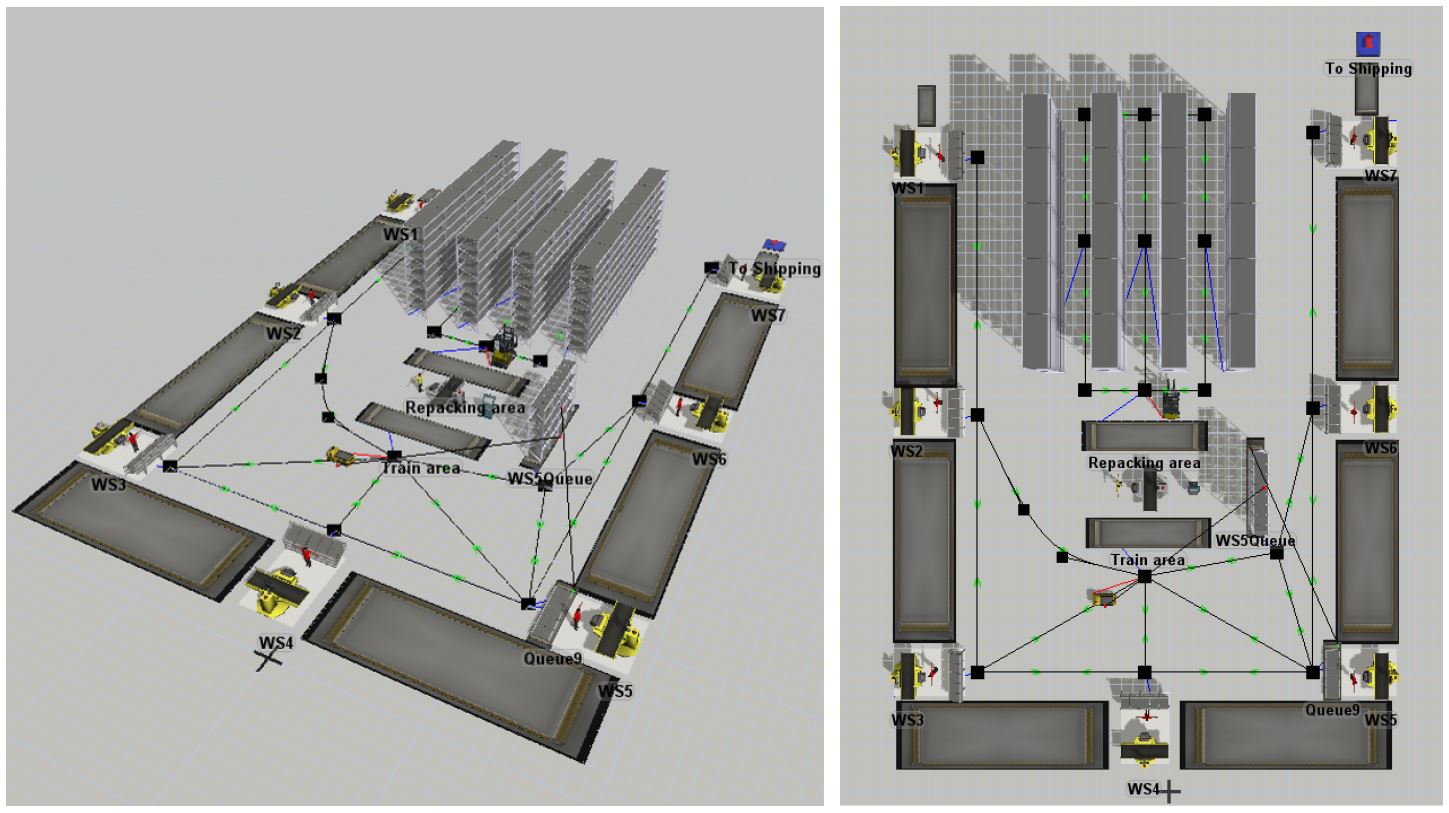
- Build and use digital twins—virtual replicas of physical systems for real-time simulation and optimization
- Combine technical knowledge with business context to make decisions that work in practice
Think of it as developing industrial IT: you create the intelligent layer that makes factories, supply chains, and mobility systems work smarter.
Real Industry Challenges
This isn't just theory. You'll work on:
- Setting up and optimizing assembly lines (including building actual golf cart production lines in class)
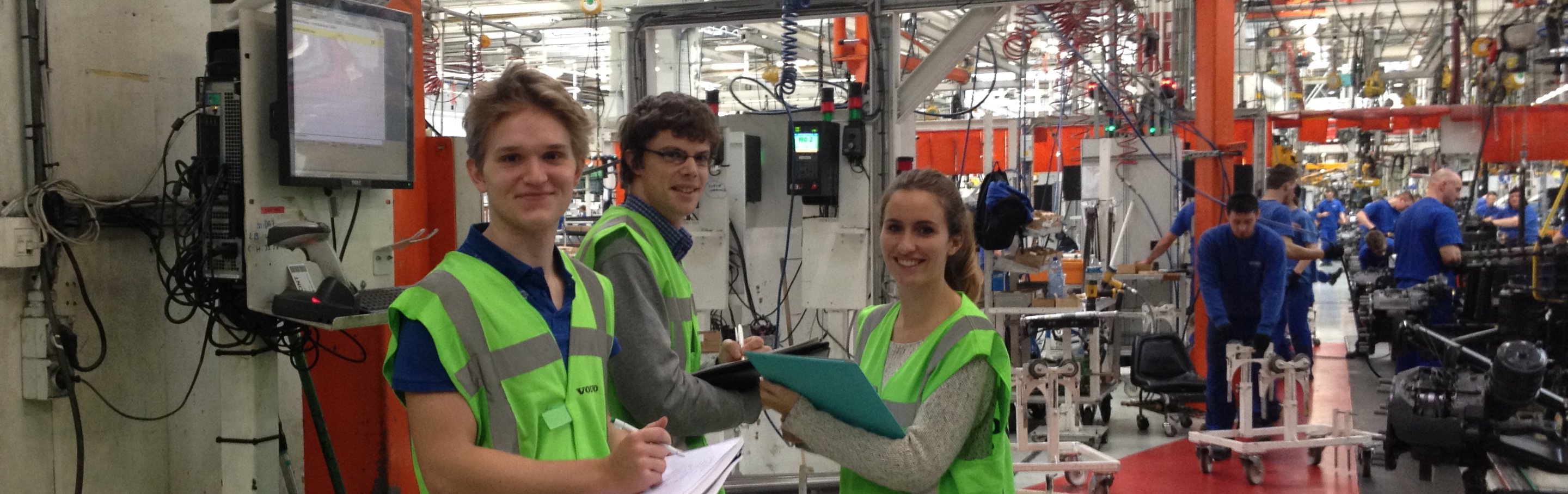
- Analyzing workstations at companies like Volvo Trucks, CNH, and Niko
- Conducting logistics audits for real companies
- Using simulation, mathematical programming, and machine learning to solve complex problems
What Will You Actually Do?
The program combines mathematical techniques (Operations Research) with systems thinking (Industrial Systems Engineering):
Core Skills (36 credits):
- Mathematical modeling and optimization
- Simulation and stochastic modeling
- Production planning and scheduling
- Quality management and statistics
Choose Your Focus (30 credits):
- Major Manufacturing & Supply Chain
- Production systems
- Supply chain design
- Logistics
- Major Transport & Mobility
- Traffic systems
- Mobility optimization
- Autonomous vehicles
Customize Your Path (30 credits):
- Minor in Artificial Intelligence
- Big Data
- Machine Learning
- AI applications
- Minor in Automotive Production Engineering
- Materials science and mechanical engineering for automotive
- Or design your own
- Combine business courses, internships, or technical electives from other engineering disciplines
Master's Thesis (24 credits):
- Work on a real research or industry project
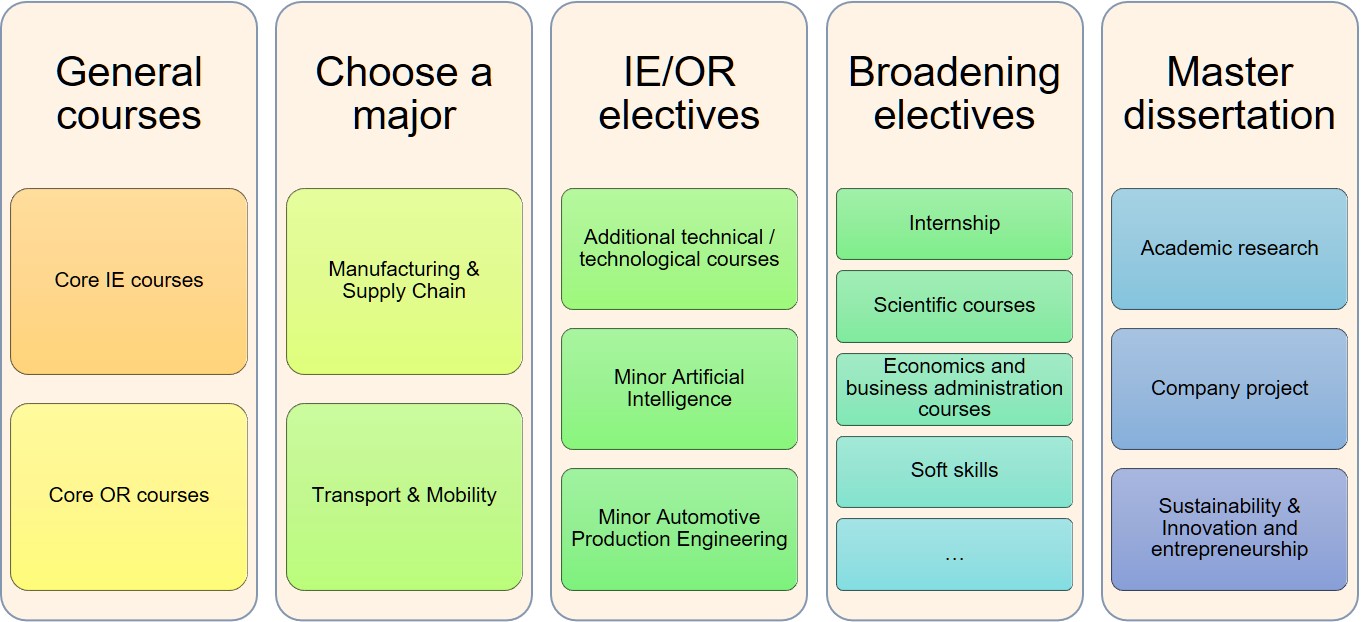
Full program details: Manufacturing & Supply Chain | Transport & Mobility | Bridging Program
Who Can Start This Program?
Any Bachelor in Engineering specialization—there's no specific bachelor track required
Master (MSc) in Engineering Technology—via bridging program
Business Engineering—with limited preparatory program, can complete in two years
The program attracts students from diverse backgrounds: mechanical, electrical, computer science, chemical, physics, and more. This diversity enriches group projects where you learn from each other's perspectives.
Where Will You Work?
Operations Research engineers are in high demand across all sectors. Our alumni work at:
Consulting & Strategy:
- Supply chain consultant at OMP, Solventure, Logflow
- Business consultant at Bain, McKinsey, BCG
Technology & Data Science:
- Data Scientist at P&G, element61, ML6
- Software engineer at TomTom, ExxonMobil, Skyline Communications
Operations & Management:
- Production manager at Farys, Oesterbank, Volvo Trucks
- Project Manager at Jan De Nul Group, Crunch Analytics, UZ Gent
- Supply Chain / Logistics Director at Aleris, Edgard & Cooper, stow Group, Assa Abloy
Research:
- PhD student / research assistant at UGent-FEA
Why are operations research engineers so sought-after?
- You combine technical depth with analytical thinking and business context—skills that lead many graduates quickly to management positions.
Program Highlights
Industry Connections
Company Visits: In methods Engineering and Work Measurement, you analyze and improve the efficiency of workstations at production companies like Volvo Trucks and Niko.
Industry Day (Every March): Companies working in the Operations Research in a broad range of sectors engage with MORE students. View Industry Day 2025 highlights
Hands-On Projects
Assembly Line Design: In Design of Manufacturing & Service Operations, set up an actual golf cart assembly line, including organizing part supply logistics.
Logistics Audits: For Supply Chain Engineering, audit a real company's logistics from purchasing through inventory to sales.
Student Community
ORLean Student Association: The program has its own active student community organizing events and supporting fellow students.
Diverse Backgrounds: Work with students from all engineering disciplines and international programs. Team projects bring together different technical perspectives.
Master's Thesis Projects
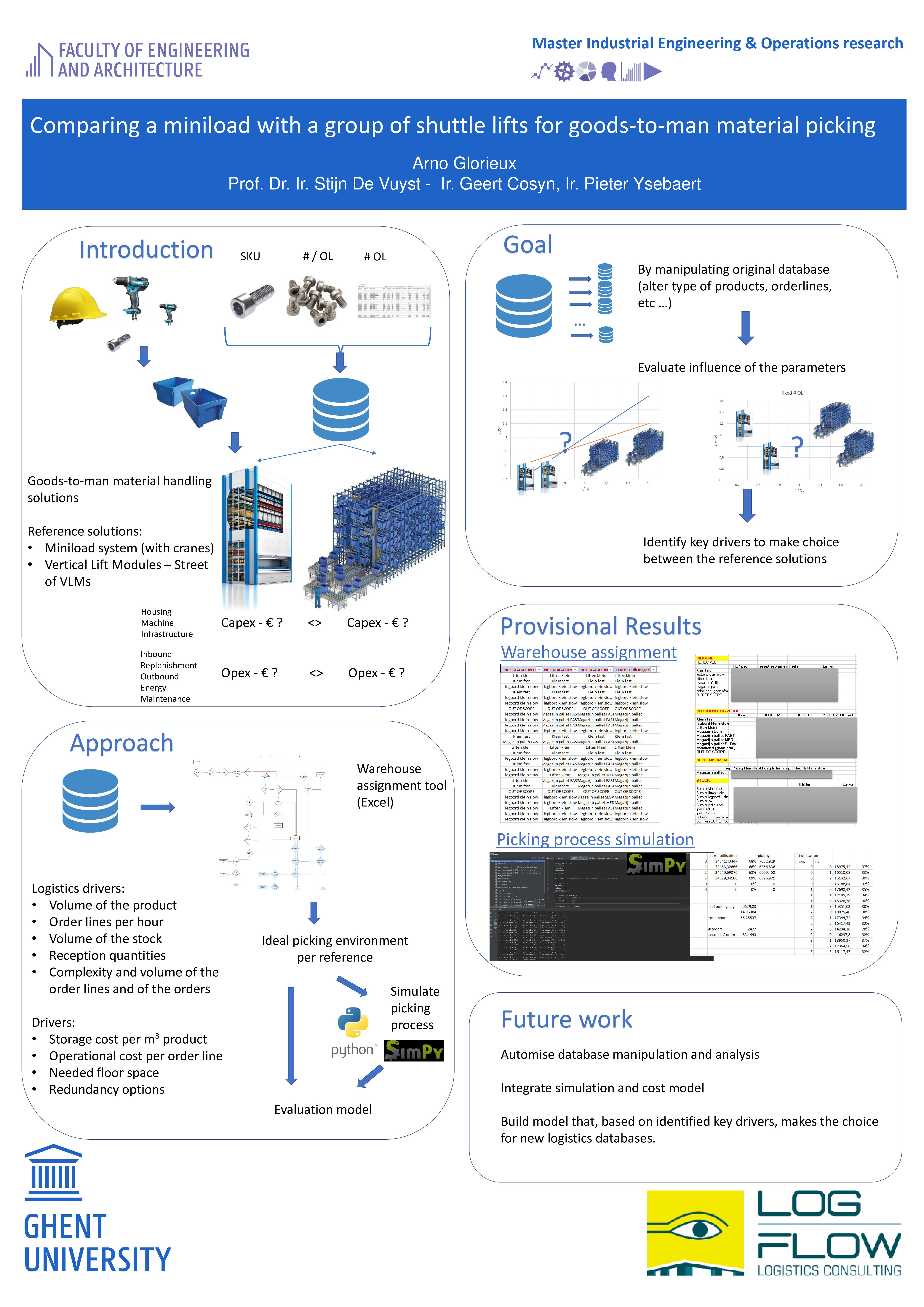
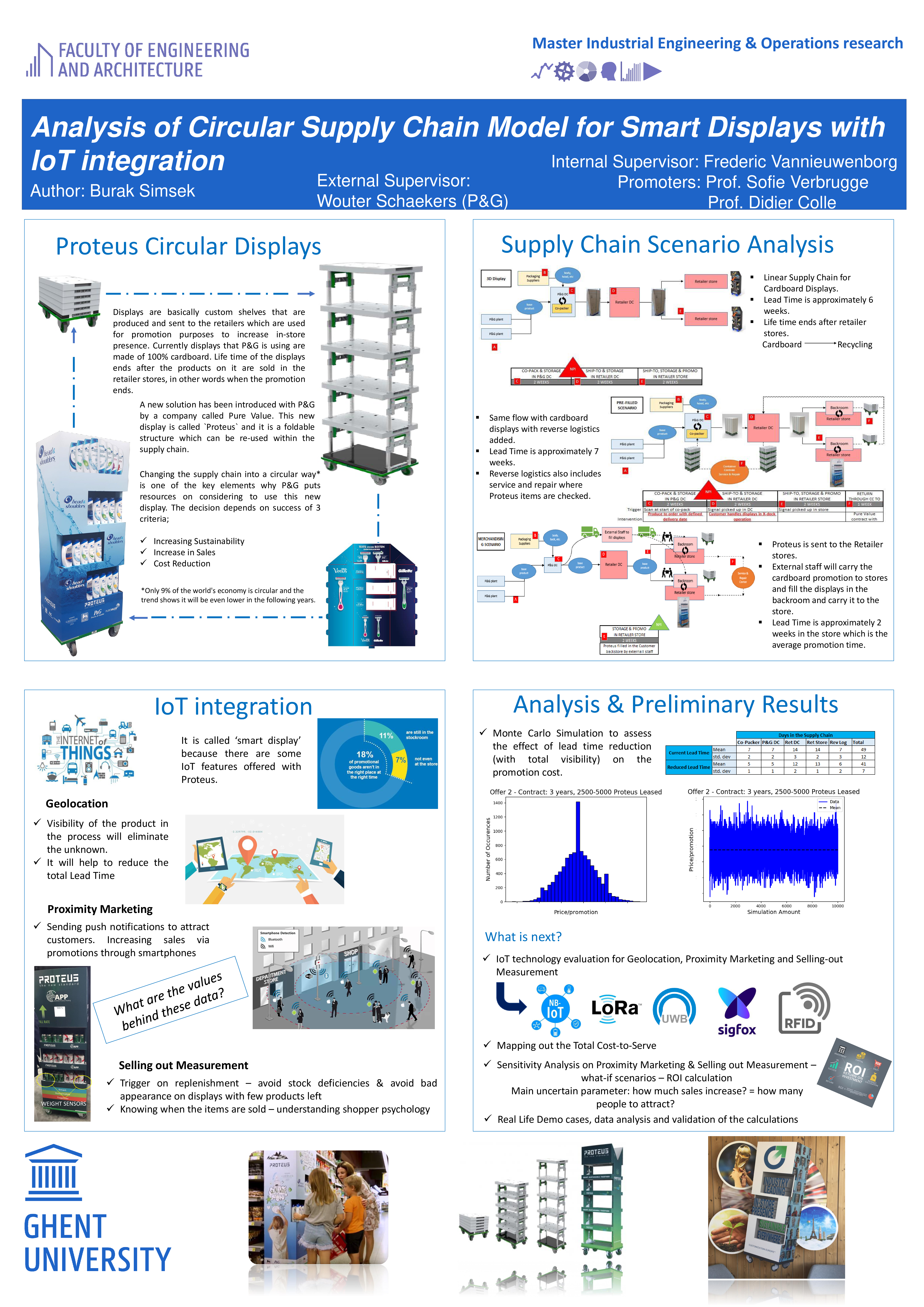
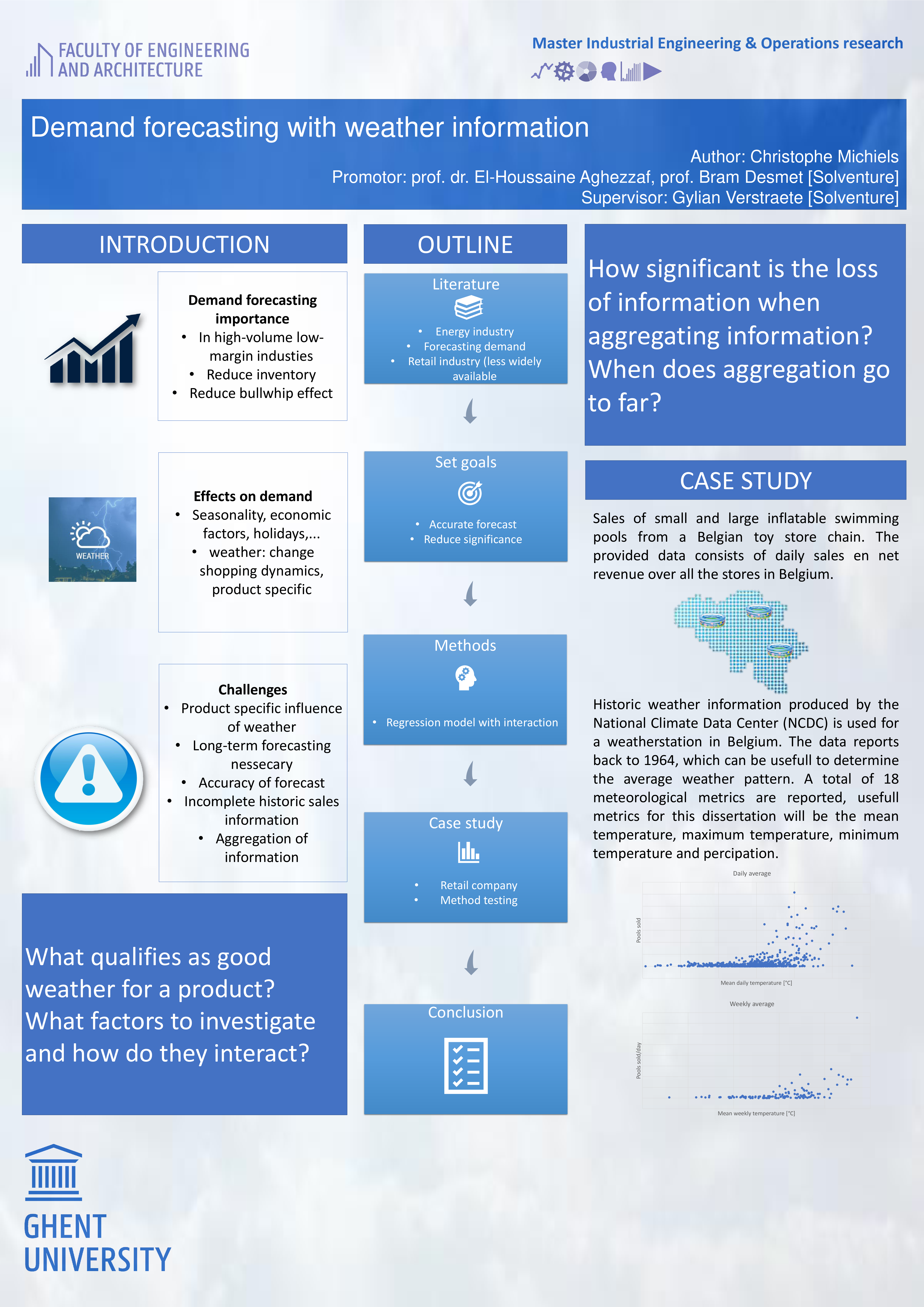
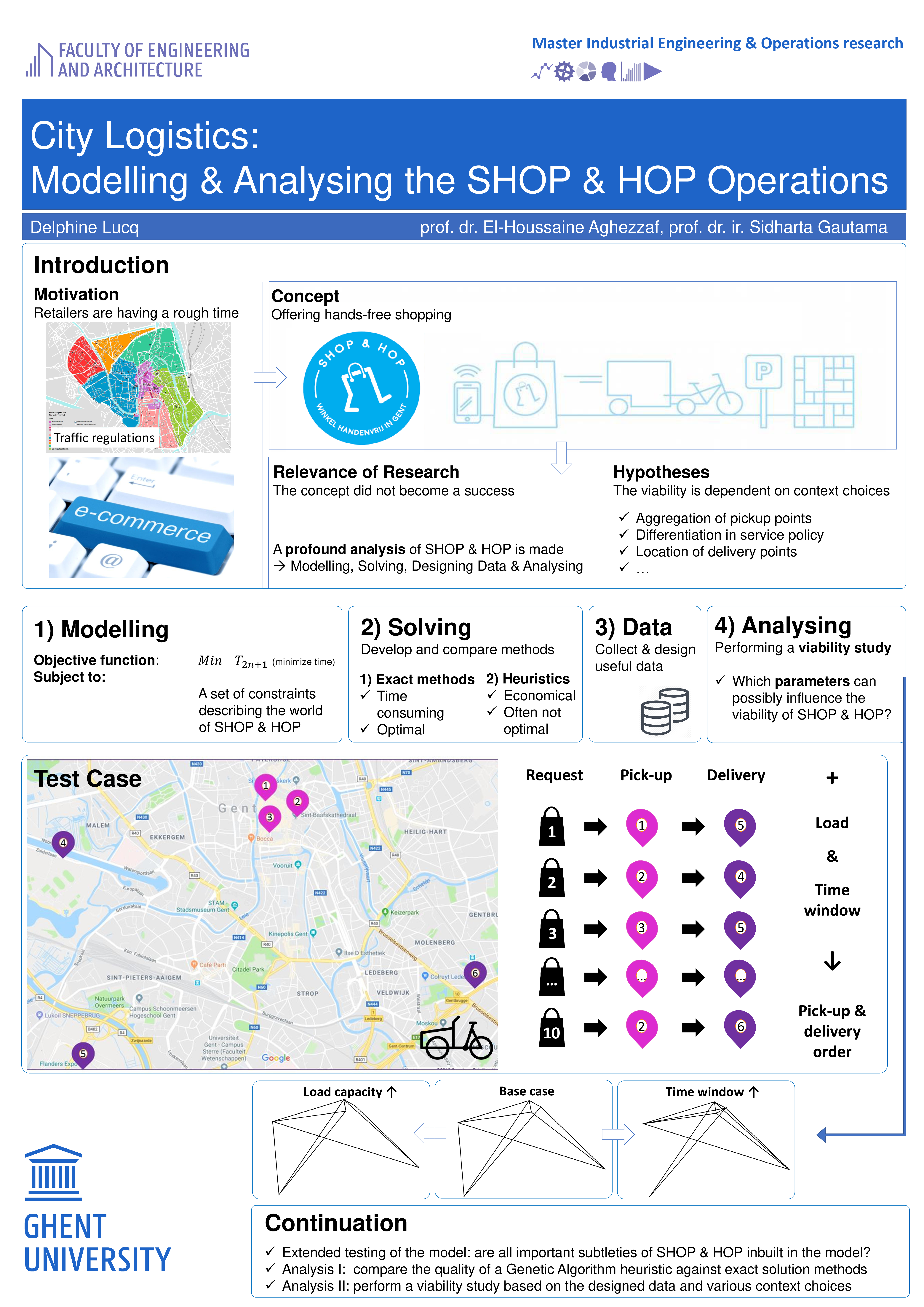
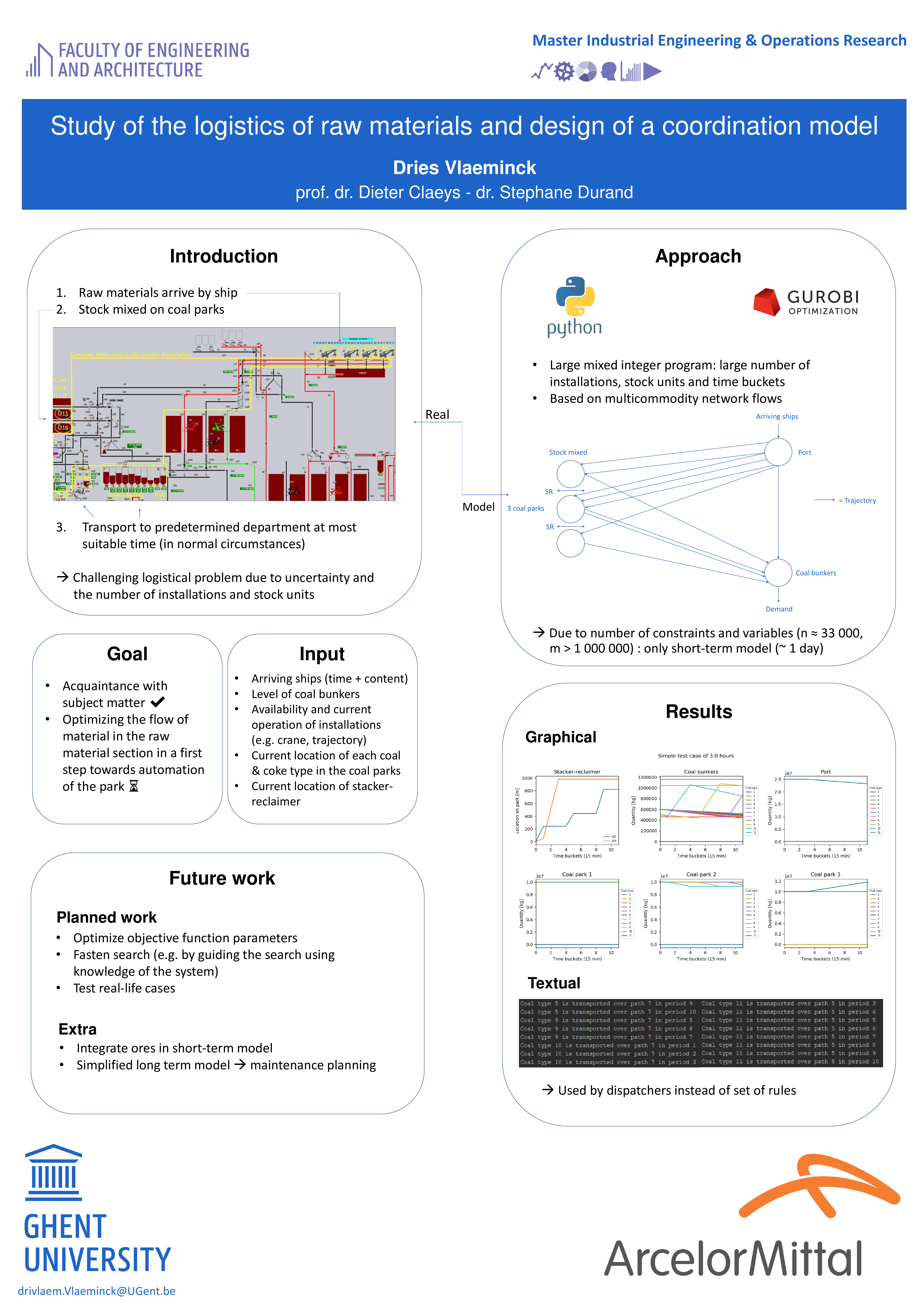
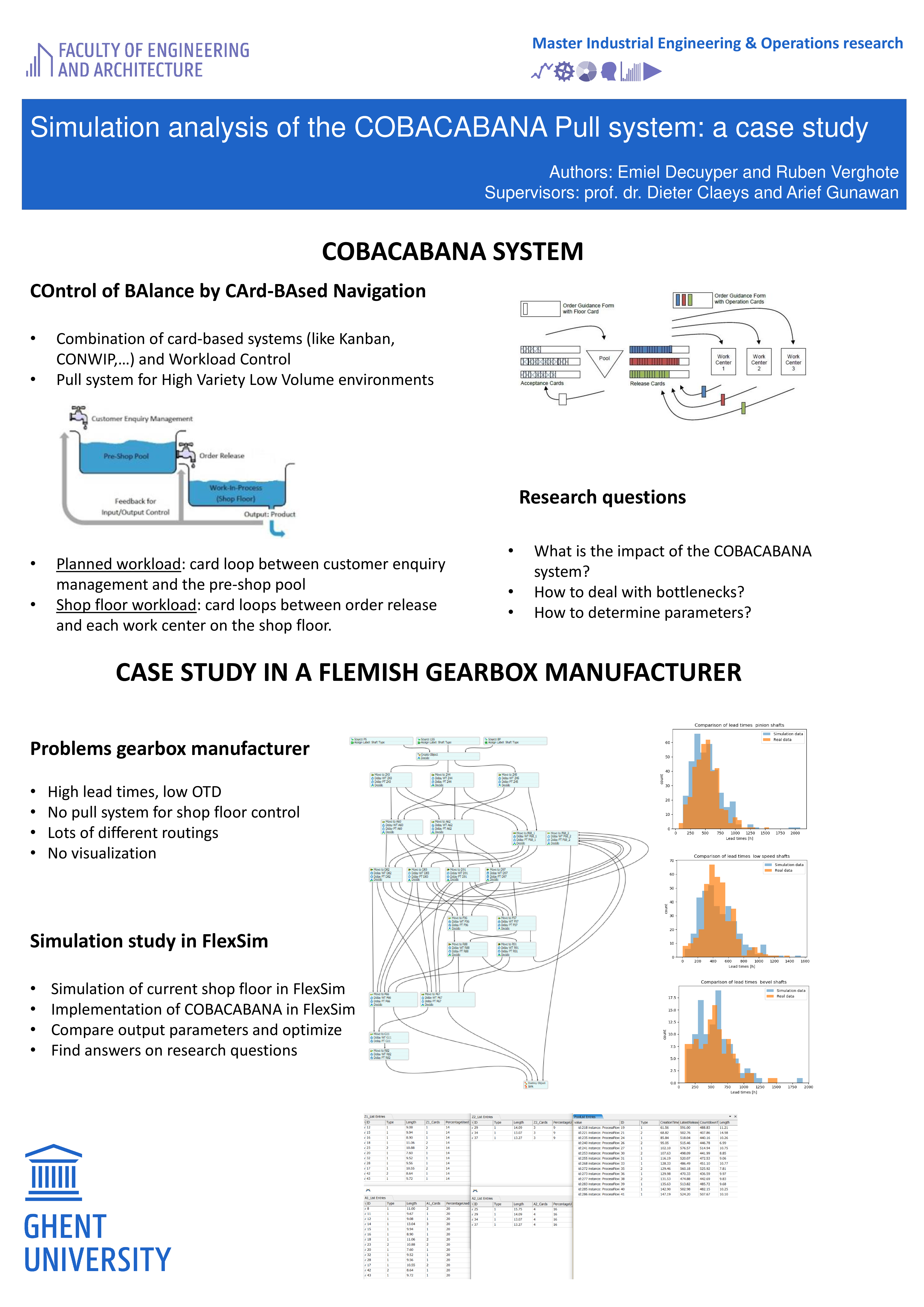
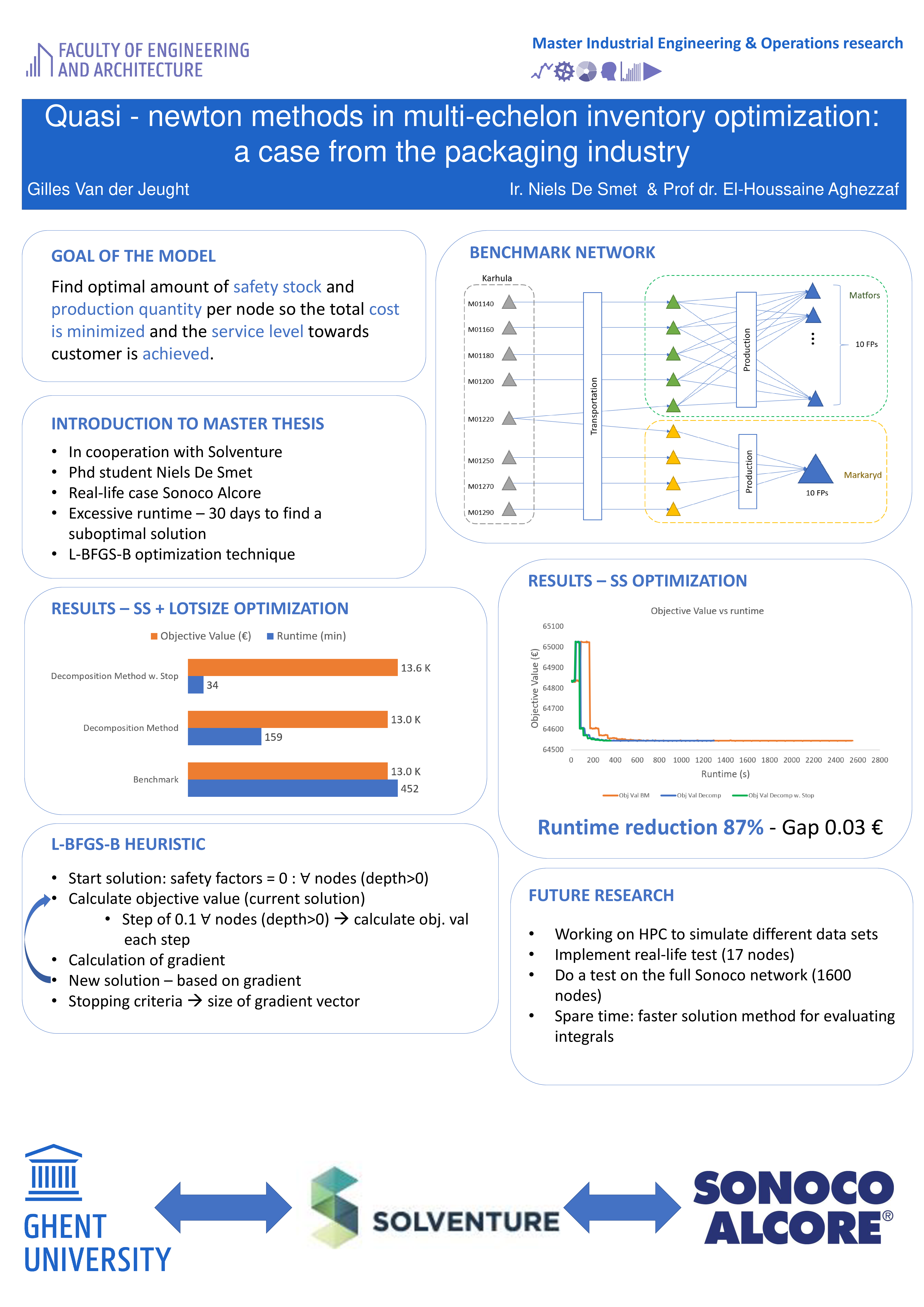
Recent thesis topics span factory optimization, supply chain design, mobility systems, and AI applications in operations. A lot of thesis projects are done in cooperation with companies.




What Students Say
From Different Engineering Bachelor Backgrounds
Cédric Van Heck (from Mechanical-Electrical Engineering):
"Exactly what I was looking for: courses about how to optimize entire supply chains, how to simulate systems, how to set up and optimize production environments."
"While my bachelor in Electromechanical Engineering was interesting, I was more interested in optimizing a company than being responsible for a small part of a product's design. After almost 2 years, my skills have become much more versatile. I have less specialized technical baggage than my peers, but I have a lot more knowledge about an entire company, not just the electromechanical part."
Louise Balloey (from Master in Engineering Technology, Electromechanical Engineering):
"You acquire knowledge that is applicable in any company, large or small. A very interesting and especially useful master's program that opens up many perspectives."
"The courses align very well with the challenges that companies face today. I also noticed this at Picanol where I completed my thesis. Switching from master in engineering technology to this program is certainly feasible. The bridging courses are the most challenging, but once you pass them, it's very rewarding."
Olivier Callewaert (from Master in Engineering Technology, Electromechanical Engineering):
"Modeling and simulating processes while taking variability and uncertainty into account was the greatest added value for me."
"I wanted to learn more about how entire production processes can be set up or optimized, not just product knowledge. This program is ideal if you want to find a job in optimizing production systems or in supply chain. Many of us go to work as consultants. I chose an SME where I'll streamline production and help set up production at a new site."
Marieke Vercambre (from Applied Physics):
"A balanced mix between theory lessons and projects. Lessons are taught in such a way that you feel you could get started with them directly."
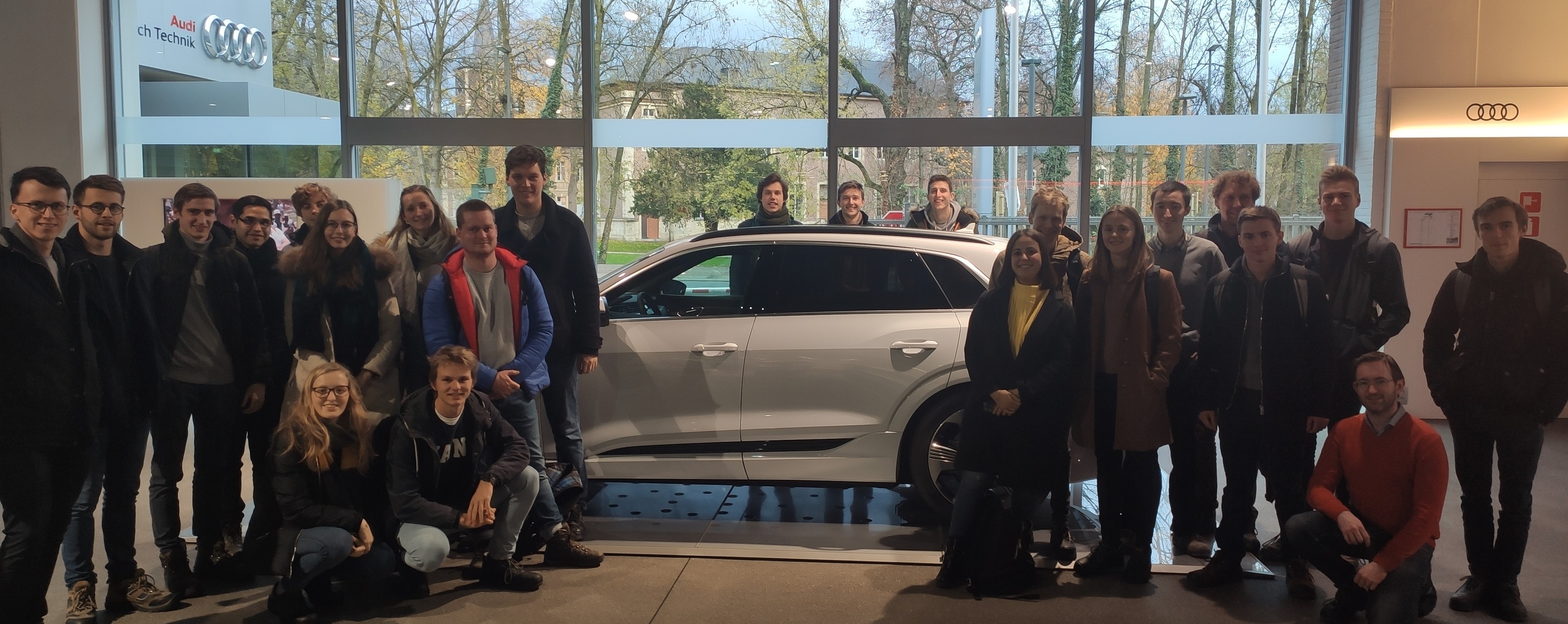
"I wanted to move away from pure and abstract theory—business concepts have always appealed to me. The group work is an added value because you learn to work in teams and learn from each other. For example, we went to the Audi factory in Brussels for a project to optimize the assembly line."
Jens Van de Velde (from Master in Engineering Technology, Electrical Engineering):
"Different and very varied backgrounds come together, which ensures that group work is always interesting and everyone can transfer knowledge to each other."
"I wanted to link my technical background to more theoretical knowledge. Having completed master in engineering technology gives me better practice-oriented knowledge, which plays to my advantage in projects. Many group projects come up, but those are the moments when the most is learned, both theoretically and socially."
Kevin De Gersem (from Chemical Technology and Materials Science): Listen to audio clip
"You're optimizing all activities related to a process instead of only improving the process itself. I can find a job in many industries."
"By choosing my elective courses well, I got a better understanding between the engineering and economic side of a problem, which is crucial for success when working for a real company."
Michiel Maesen (from Master in Engineering Technology, Electromechanical Engineering):
"The perfect option for students who want to do something different from what they've already done, but where it still perfectly aligns with their engineering education."
"Other bridging programs go deeper into topics you already know a lot about. Many choose purely economic programs, which means leaving your engineering knowledge behind. This program is different—you don't leave your technical background behind."
Frequently Asked Questions
Will my bachelor's specialization go to waste if I choose this program?
Not at all—it becomes your strength. Complex business systems are built from people, machines, materials, and information. Your bachelor taught you about these elements (materials science ? materials, mechanical engineering ? machines, computer science ? information processing).
In this master, you learn to integrate and optimize these elements as systems. There's some abstraction from pure technical details, but your bachelor knowledge remains valuable. Plus, you can include master courses in your elective package that align with your background, combining the best of both worlds.
What's the difference between this and business administration?
This is not business administration—it's engineering with business context. You analyze and improve production and service systems using mathematical and statistical methods. There's room for economic and business electives (financial management, innovation management), but the core is engineering problem-solving.
What's the difference from Master in Engineering Technology? (in Dutch: industrieel ingenieur)
This is a two-year Master of Science in Engineering program. After completing this program, you become a "Master of Science in Operations Research Engineering," bringing together the analytical rigor of engineering with systems thinking. The field of "Industrial Engineering" is the specific engineering discipline (systems optimization and operations research) that links to this master.
This has nothing to do with the different Master in Engineering Technology masters (in Dutch: opleidingen industrieel ingenieur) that our faculty offers.
What if I'm coming from Master in Engineering Technology?
Many students successfully make this transition via the bridging program. Student testimonials above show it's definitely feasible. The bridging courses require perseverance, but master in engineering technology backgrounds often provide practical knowledge that's valuable in projects. Many students appreciate combining their hands-on engineering background with the systems-level thinking this program provides.
Get in Touch
Questions? Talk to current students and lecturers: Join our MS Teams channel
Program coordinator: Prof. Birger Raa, Chair of the Program Committee
Research Connections
The program connects to cutting-edge research in our faculty, linked to major Flemish, federal, and European projects including imec, Flanders Make, and EIC Urban Mobility. Both course content and master's thesis opportunities draw from ongoing research by multiple research groups.